Creamy Mashed Potatoes Without Milk
Introduction
I remember one rainy Sunday when I needed comfort food but my fridge had no milk and I did not want to run to the store. The aroma of boiling potatoes and roasted garlic filled the kitchen, and by the time the first spoonful hit my lips I was convinced I had stumbled on a small miracle.
The texture was silk-like and the flavor warm and buttery, even without dairy. That rainy-day bowl has become a family staple whenever we want something soothing and simple.
This recipe is all about achieving that lush, creamy mouthfeel using pantry-friendly ingredients and gentle technique. If you love cozy potato dishes you might also enjoy this related recipe: Cod and Potatoes in Rosemary Cream Sauce.
What Makes This Recipe Special
This version is special because it gives you the classic velvety mashed potato experience while being milk-free and easy to adapt. Benefits include:
- Dairy-free and suitable for those with lactose intolerance or milk allergies when you choose vegan butter or oil.
- Quick to pull together with common pantry items like vegetable broth and olive oil.
- Flexible texture from fluffy to ultra-smooth depending on your mashing method.
Readers will love how familiar and comforting it tastes, yet light on the stomach and simple to customize.
Ingredients You’ll Need
For the Potatoes
- 2 lb (900 g) Yukon Gold or Russet potatoes, peeled and cut into 1 1/2-inch chunks Yukon Golds give naturally creamy results, Russets give a fluffier mash
- 1 1/2 teaspoons fine sea salt (for the boiling water)
For the Flavor Base
- 1/2 cup (120 ml) warm vegetable broth, plus extra if needed use low-sodium if you prefer
- 4 tablespoons extra-virgin olive oil or 4 tablespoons vegan butter, warmed for a richer mouthfeel
- 2 cloves garlic, smashed and simmered with the potatoes or roasted separately for a softer, milder garlic flavor
- 2 tablespoons plain unsweetened dairy-free yogurt or 2 tablespoons nutritional yeast (optional) for a subtle tang and cheesy note
For Finishing and Seasoning
- Freshly ground black pepper to taste
- 1 to 2 tablespoons chopped fresh chives or parsley for brightness
- Optional: 1 tablespoon lemon juice to brighten flavors
Notes: If you want a creamier result, warm the broth and oil together before adding. For a truly neutral flavor, use light-tasting olive oil or avocado oil.
How to make Creamy Mashed Potatoes Without Milk
Step 1: Prepare and salt the water
- Place potato chunks in a large pot and cover with cold water by about an inch. Add 1 1/2 teaspoons salt. Bring to a boil over medium-high heat.
Step 2: Cook until tender
- Reduce to a vigorous simmer and cook for 12 to 18 minutes, depending on potato size. Test with a fork potatoes are done when the fork slides through easily and the edges are slightly crumbly.
Step 3: Drain and dry
- Drain the potatoes in a colander then return them to the hot pot. Place the pot back on the warm burner for 1 to 2 minutes to evaporate excess moisture. You want them steamy but not wet.
Step 4: Mash or rice
- For the smoothest texture, press the potatoes through a ricer or food mill into a warm bowl. If using a masher, mash gently until mostly lump-free but not gummy.
Step 5: Add warm liquids gradually
- Warm your 1/2 cup vegetable broth and 4 tbsp olive oil or vegan butter together. Add a few tablespoons at a time to the potatoes, stirring with a wooden spoon or spatula until you reach your desired creaminess. Adjust amount to preference; you may need an extra 2 to 4 tablespoons of broth for very creamy results.
Step 6: Season and finish
- Stir in garlic, dairy-free yogurt or nutritional yeast if using, then season with black pepper and more salt to taste. Fold in chopped herbs and a squeeze of lemon juice if using. The potatoes should hold their shape but be luxuriously creamy.
Step 7: Keep warm until serving
- Transfer to a warmed serving bowl and tent with foil. If holding for longer than 30 minutes, stir in a little extra warm broth before serving to freshen the texture.
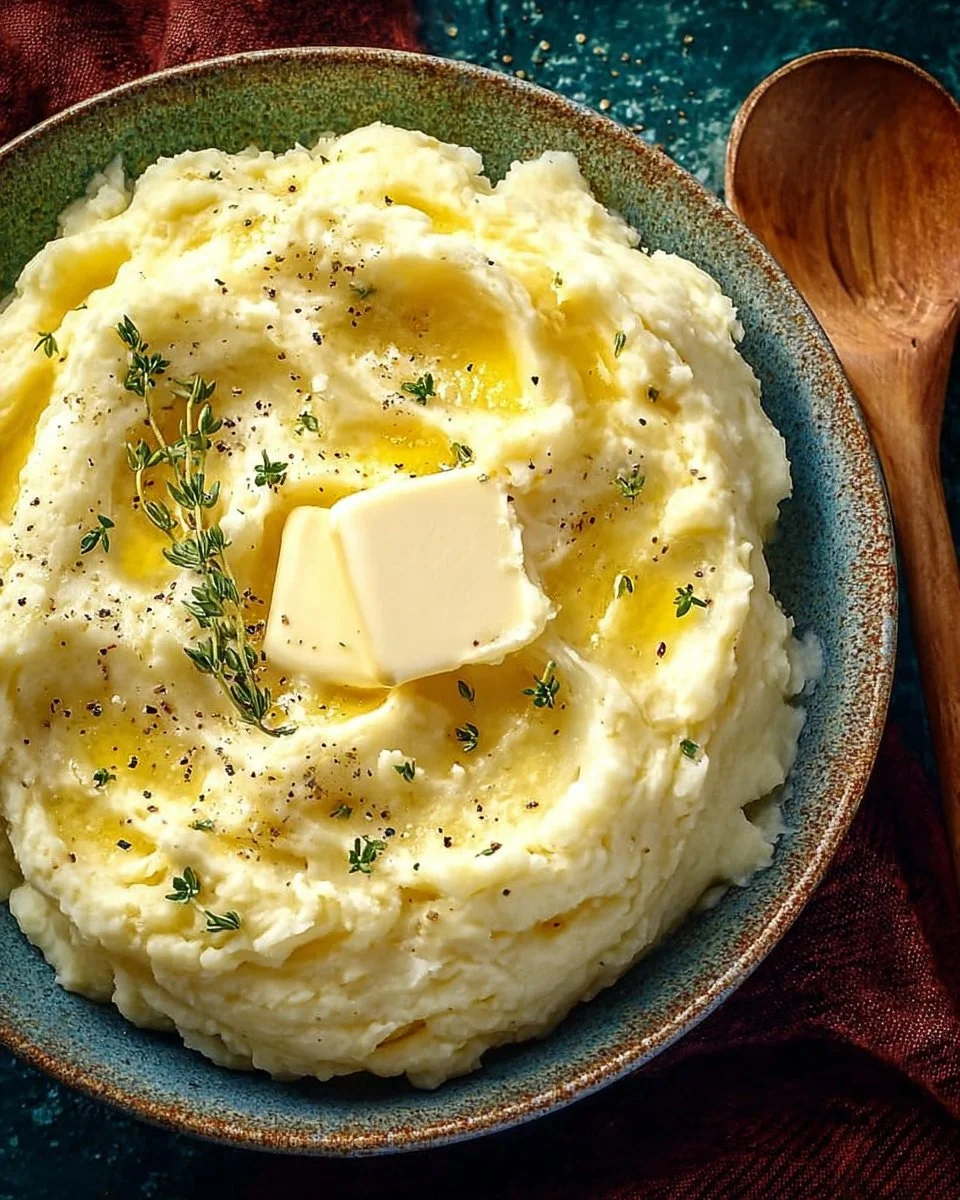
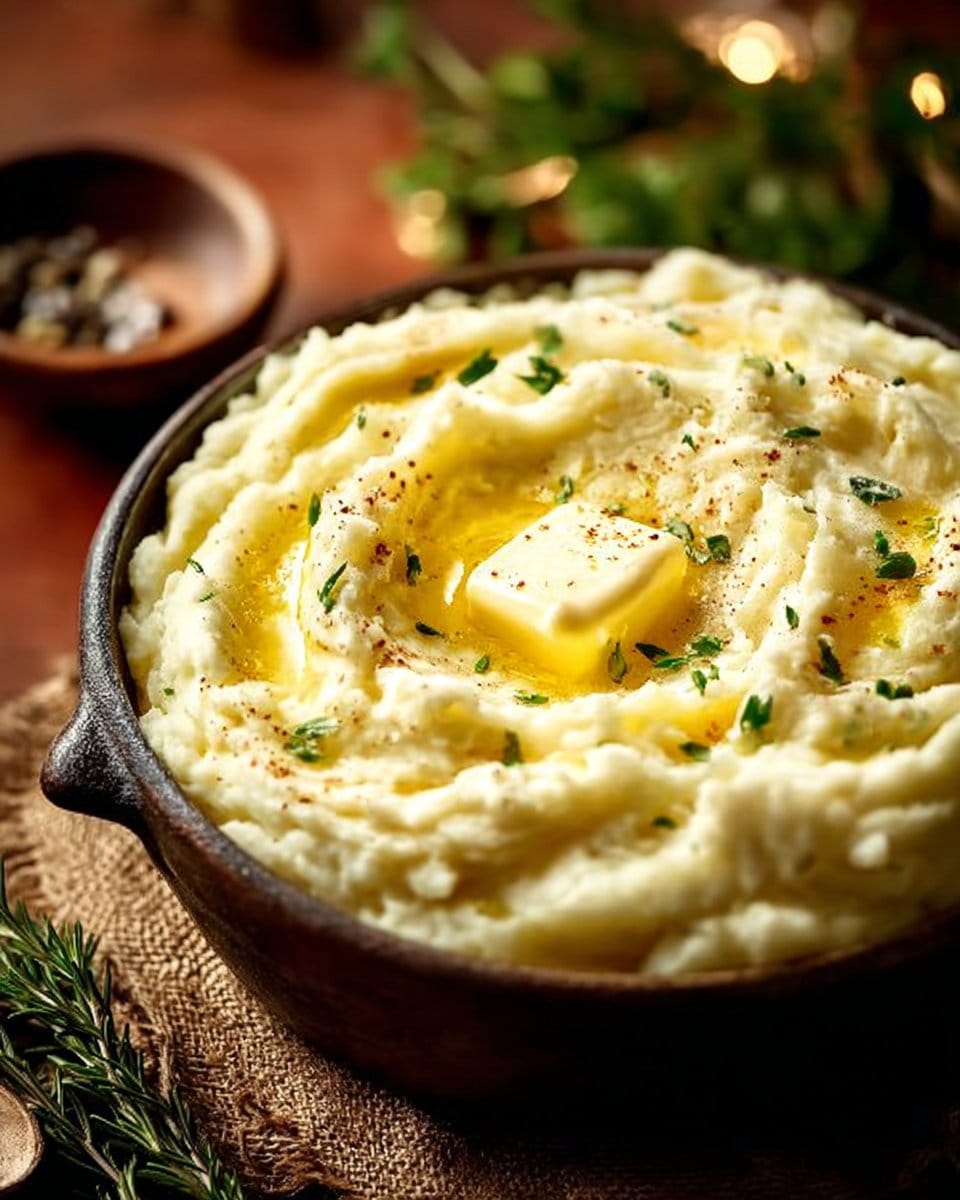
Visual cues: potatoes should mash easily and feel slightly dry before adding liquids; final mashed potatoes should look glossy and move smoothly on a spoon without being runny.
Tips & Recipe Variations
- Use a ricer or food mill for the silkiest texture; overworking with an electric mixer can make them gluey.
- Warm the broth and oil before adding to the potatoes to keep the mash light and absorbent.
- For a richer flavor, swap 1 tablespoon olive oil for vegan butter or add 1 to 2 tablespoons of neutral oil plus 1 tablespoon tahini for depth.
- Garlic options: simmer smashed garlic with the potatoes or roast 4 cloves and mash them in for a sweet, mellow garlic tone.
- Make it vegan and allergy-friendly: use vegetable broth and oil only; skip dairy-free yogurt if you avoid soy or coconut.
- Storage: refrigerate in an airtight container for up to 4 days. Reheat gently on the stove with a splash of warm broth, stirring until smooth.
- Freezing: mashed potatoes can be frozen in portioned containers for up to 2 months; thaw overnight in the fridge then reheat with extra liquid.
- To avoid watery mash, always drain well and dry the potatoes briefly in the hot pot before mashing.
How to Serve
- Classic pairings: roasted chicken, pot roast, grilled steak, or a holiday nut roast for a vegetarian main.
- Sauces and toppings: spoon warm gravy, caramelized onions, sautéed mushrooms, or chimichurri over the top.
- Presentation tip: use a spoon to create gentle swirls and dot with chopped chives and a drizzle of olive oil for shine.
- Nutrition and serving size: makes about 4 to 6 servings. Rough estimate per serving: 220 to 300 calories depending on amount of oil used.
Frequently Asked Questions
Q: Can I make this recipe ahead of time?
A: Yes. Prepare, cool, and refrigerate. Rewarm on the stove over low heat with a splash of warm broth, stirring until creamy.
Q: Can I freeze leftover mashed potatoes?
A: Yes. Freeze in airtight containers for up to 2 months. Thaw overnight and reheat with added warm broth.
Q: What can I use instead of olive oil for a buttery taste?
A: Use vegan butter or a neutral oil plus 1 tablespoon tahini for richness. Both keep the dish milk-free.
Q: How do I prevent the potatoes from becoming watery?
A: Drain thoroughly, return to the hot pot to evaporate moisture, then mash before adding any liquid slowly.
Q: Can I make this recipe low-carb or keto?
A: Potatoes are naturally high in carbs. For low-carb alternatives, use riced cauliflower and similar technique with warm broth and oil.
“I made these for Thanksgiving when a guest was avoiding dairy. Nobody guessed there was no milk. The texture was dreamy and the flavor so comforting. A new family favorite.” – Maria T.
Conclusion
This milk-free mashed potato recipe has become my go-to when I want comfort without dairy. It proves you do not need milk to get that luxurious texture and classic flavor. Give it a try at your next cozy meal and share how you customized it. For another take on potato pairings and hearty plates, see this helpful guide: Creamy Mashed Potatoes Without Milk | Everyday Family Cooking.

Dairy-Free Mashed Potatoes
Ingredients
Method
- Place potato chunks in a large pot and cover with cold water by about an inch. Add 1 1/2 teaspoons salt. Bring to a boil over medium-high heat.
- Reduce to a vigorous simmer and cook for 12 to 18 minutes, depending on potato size. Test with a fork — potatoes are done when the fork slides through easily and the edges are slightly crumbly.
- Drain the potatoes in a colander then return them to the hot pot. Place the pot back on the warm burner for 1 to 2 minutes to evaporate excess moisture. You want them steamy but not wet.
- For the smoothest texture, press the potatoes through a ricer or food mill into a warm bowl. If using a masher, mash gently until mostly lump-free but not gummy.
- Warm your 1/2 cup vegetable broth and 4 tbsp olive oil or vegan butter together. Add a few tablespoons at a time to the potatoes, stirring with a wooden spoon or spatula until you reach your desired creaminess. Adjust amount to preference; you may need an extra 2 to 4 tablespoons of broth for very creamy results.
- Stir in garlic, dairy-free yogurt or nutritional yeast if using, then season with black pepper and more salt to taste. Fold in chopped herbs and a squeeze of lemon juice if using. The potatoes should hold their shape but be luxuriously creamy.
- Transfer to a warmed serving bowl and tent with foil. If holding for longer than 30 minutes, stir in a little extra warm broth before serving to freshen the texture.
Notes

- Vegan Love Letter Pastries: Flaky Strawberry Jam Envelopes - January 16, 2026
- Beefy American Goulash - January 13, 2026
- Authentic Tom Kha Gai Soup Recipe - January 11, 2026