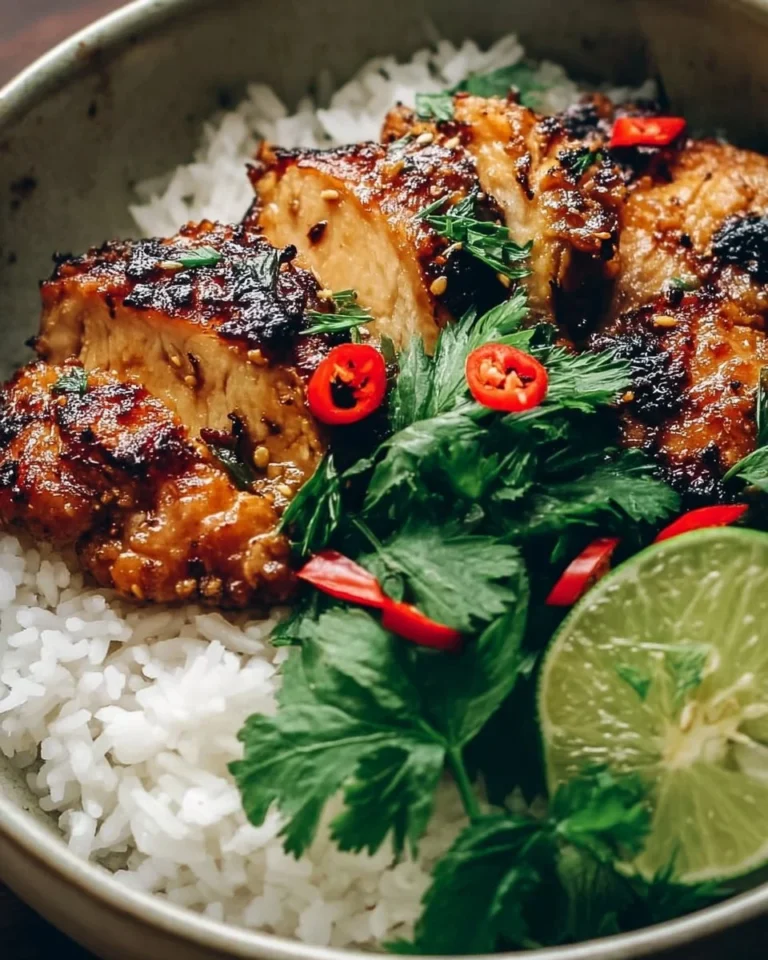
Thai Fried Chicken Sandwich Recipe: Crispy, Flavorful & Easy to Make
Health Disclaimer: All information provided in this article is intended solely for educational and informational purposes. It does not constitute medical advice, diagnosis, or treatment. For any health-related concerns or dietary questions, consult a qualified healthcare professional.

Thai Fried Chicken Sandwich
Ingredients
Equipment
Method
- In a bowl, mix garlic, ginger, lime juice, fish sauce, and chopped herbs. Add chicken and coat well. Marinate in the fridge for at least 2 hours.
- Combine flour, cornstarch, salt, white pepper, and paprika for the batter. Dredge marinated chicken in this dry mix until evenly coated.
- Heat oil in a heavy-bottomed pot to 175°C (350°F). Fry chicken until golden brown and cooked through, about 5–7 minutes. Drain on a rack.
- Prepare Thai mayo by mixing mayonnaise, lime juice, and chopped chili. Adjust seasoning to taste.
- Toast brioche buns. Spread Thai mayo on the bottom bun. Layer lettuce, cucumber, and carrots. Place fried chicken on top and close with the top bun.
Notes
Introduction to the Thai Fried Chicken Sandwich Recipe
What Makes This Thai Fried Chicken Sandwich Unique?
I vividly remember the day I first encountered the foundations of what would become my personal version of the Thai Fried Chicken Sandwich Recipe. My grandmother, who loved discovering flavors from distant cuisines, was preparing chicken marinated in fresh herbs, aromatic spices, and ingredients whose scent filled every corner of the kitchen.
As I watched her measured movements, I realized how intentionally she handled each component, as if every decision shaped the harmony of the final dish. Years later, when I adapted that flavorful chicken into a sandwich, I revisited that core memory to create something equally crisp, aromatic, and balanced.
Today, when I prepare this sandwich, I aim to recreate the harmony she conveyed through her cooking pairing deeply marinated chicken, a golden crust, and a thoughtful assembly of vegetables and sauces reminiscent of traditional Thai cuisine.

The Rise of Thai-Inspired Fried Chicken in Modern Cuisine
Over the years, I have observed the remarkable rise of Thai-inspired fried chicken in modern restaurants, food trucks, and even home kitchens. This surge is natural, as more people seek dishes that combine comfort with exotic, bright flavors. Fried chicken is universal, and its structure provides an ideal base for Thai marinades, fresh herbs, and tangy sauces.
When incorporated into a sandwich, these flavors take on a new identity easy to serve, easy to share, and deeply satisfying. The crispy chicken, the vivid vegetables, and the lively condiments work together to create a vibrant yet structured meal. This evolution reflects how Thai culinary philosophy continues to inspire hybrid creations that find their place in contemporary dining.
Origins & Popularity of Thai Fried Chicken
Traditional Thai Fried Chicken (Gai Tod) and Its Flavor Foundations
When I began studying the origins of Thai fried chicken, commonly known as Gai Tod, I discovered a tradition rooted in precise culinary techniques and balanced seasoning. Gai Tod relies on a generous marinade composed of garlic, coriander root, white pepper, fish sauce, and sometimes aromatic roots.
This blend penetrates the chicken deeply, infusing nuanced flavor before it even reaches the frying stage. In Thai markets, this chicken is sold on its own or with rice, often accompanied by spicy dipping sauces and raw vegetables.
Tasting Gai Tod for the first time, I understood why it makes an excellent foundation for a sandwich: its tender interior, crisp coating, and layered aroma lend themselves effortlessly to modern reinterpretations.
How Thai Street Food Influences Modern Sandwich Recipes
Thai street food has always captivated me: the vibrant stands, the quick but skilled preparation, and the irresistible scent of herbs and citrus rising from the grills and woks. This dynamic environment inspired my approach to creating a Thai fried chicken sandwich.
Street vendors transform simple ingredients into generous, satisfying meals through balance and boldness. Drawing from that spirit, I crafted a sandwich that integrates rich marinade, expertly fried chicken, crisp vegetables, and bright sauces.
When I serve this dish to friends or neighbors, I aim to recreate that lively, approachable energy of Thai market dining, but with the precision and composure of a home kitchen.
Key Ingredients for an Authentic Thai Fried Chicken Sandwich Recipe
Essential Thai Chicken Ingredients: Herbs, Chilies, and Aromatics
When selecting ingredients for a Thai-inspired chicken marinade, I rely on the essential trio of herbs, chilies, and aromatics. Fresh cilantro, Thai basil, garlic, and red chilies form the backbone of the flavor profile. Combined with lime juice, they deliver the spicy, tangy, and herbal balance characteristic of Thai cuisine.
The freshness of these components contrasts beautifully with the crisp fried chicken. I always chop the herbs finely and adjust the chilies according to the guests’ preferences. These ingredients do not simply contribute flavor; they shape the overall identity of the sandwich bright, aromatic, and deeply satisfying.
Ingredients for Thai Fried Chicken Batter Mix
The batter plays a defining role in this sandwich because it determines the first sensory impression: crispness. To achieve a light yet sturdy crust, I combine equal parts wheat flour and cornstarch. A touch of salt, white pepper, and mild paprika enriches the flavor without overshadowing the marinade.
Before dredging the chicken, I make sure the dry mix is finely sifted to avoid clumps. When fried, this mixture transforms into a golden shell that protects the juiciness of the chicken. Achieving this contrast between texture and tenderness is essential to any successful Thai fried chicken sandwich.
Choosing the Right Buns, Vegetables, and Sauces for the Sandwich
Selecting the proper bun, vegetables, and sauce ensures the sandwich remains cohesive. I prefer lightly toasted brioche buns, as their subtle sweetness complements the vibrant tang and heat of Thai-inspired ingredients. For vegetables, I include crisp lettuce, thin cucumber slices, and sometimes lightly marinated carrots for sweetness and crunch.
A neighbor of mine once remarked that a sandwich lives or dies by its sauce, and I completely agree. That is why I prepare a homemade Thai-style mayo infused with lime and chili. When combined, all these elements create a balanced, memorable sandwich.
Full Ingredient Breakdown & Substitutions
Core Ingredients and Their Culinary Roles
When analyzing the core components of this sandwich, I treat each one as playing a distinct culinary role. The chicken provides structure and protein. The marinade contributes depth and aromatic complexity. Fresh herbs inject vibrancy, while vegetables add crunch and lightness. The sauce unifies all components with creaminess and contrast.
Meanwhile, the bun upholds the assembly and introduces softness. Reflecting on these functions helps me make thoughtful adjustments when customizing flavors or textures. Understanding each role ensures harmony no matter how the recipe is adapted.
Ingredient Substitutions for Dietary Preferences (Spicy, Mild, Gluten-Free)
To accommodate diverse dietary needs, I often adapt this recipe without compromising its Thai essence. For milder versions, I reduce the chilies or substitute them with sweet pepper varieties. For gluten-free variations, I replace wheat flour with rice flour and use certified gluten-free starches.
If dairy-free adjustments are necessary, I substitute yogurt or milk in the marinade with lime juice and a small amount of oil. These modifications make the sandwich accessible while preserving its aromatic foundation and structural integrity.
Best Thai Condiments to Enhance the Sandwich Flavor
To deepen the Thai character of this sandwich, I incorporate classic condiments such as fish sauce, Thai chili paste, or freshly squeezed lime juice. Used thoughtfully, these condiments heighten the fresh herbs and enrich the overall flavor.
A balanced combination creamy base, acidic note, mild sweetness, and controlled heat creates a sauce that ties all elements together. Through careful adjustment, I can tailor the sandwich to suit preferences ranging from bold and spicy to mellow and refreshing.
Equipment Needed for a Perfect Thai Fried Chicken Sandwich Recipe
Essential Tools for Frying Crispy Thai Chicken
To prepare Thai fried chicken effectively, I rely on a few essential tools. A heavy-bottomed pot ensures even heat distribution, which is vital for consistent frying results. A kitchen thermometer allows me to maintain the ideal oil temperature between 170°C and 180°C. Stainless steel tongs let me safely lower and retrieve the chicken pieces without disturbing the coating.
Finally, a cooling rack placed over a baking sheet allows excess oil to drain, preserving the crisp exterior. With these tools, I can execute frying with confidence and precision.
Useful Optional Tools for Better Texture and Flavor
Beyond the essentials, certain optional tools enhance texture and convenience. A mandoline produces uniformly thin vegetable slices for improved presentation. A blender or immersion mixer homogenizes sauces made with herbs, chilies, and aromatics.
A kitchen brush helps apply a light layer of oil when preparing an oven-baked alternative. Although not mandatory, these tools allow me to refine the sandwich and elevate its overall quality.
How to Prepare Thai Fried Chicken (Step-by-Step Guide)
Preparing the Chicken and Marinade Correctly
I begin by cutting the chicken into sandwich-friendly pieces, usually fillets or thick slices that fry evenly. For the marinade, I combine crushed garlic, grated ginger, lime juice, fish sauce, and chopped herbs. I ensure that each piece of chicken is fully coated before refrigerating it for several hours.
This resting time is crucial, as it allows the flavors to penetrate deeply and tenderize the meat. Proper marination results in chicken that is already aromatic and flavorful before frying an essential foundation for the final sandwich.
How to Create the Perfect Crispy Thai Fried Chicken Batter Mix
After marinating, I prepare the dry coating by mixing flour, cornstarch, salt, and mild spices. Once the mixture is smooth, I drain excess marinade from the chicken, then dredge each piece thoroughly to guarantee an even coating.
If I want a thicker crust, I repeat this dusting step. This stage creates the foundation for a crisp, golden exterior. When the coated chicken meets hot oil, the mixture forms a shell that protects moisture while ensuring crunch, setting the stage for a perfectly textured bite.
Frying Techniques for Juicy and Crispy Chicken Every Time
I heat oil in a heavy pot and carefully monitor its temperature. Lowering the chicken gently prevents splattering and helps maintain oil stability. I avoid overcrowding the pot to prevent temperature drops. As the chicken fries, I watch for uniform golden coloration, then transfer it to a rack to cool.
This method ensures that the crust remains crisp while the interior stays juicy thanks to the well-absorbed marinade. Mastering these techniques produces consistent, restaurant-quality results at home.
Assembling the Thai Fried Chicken Sandwich
What to Put on a Fried Chicken Sandwich (Thai Version)
Before assembling the sandwich, I prepare all the components so the process flows smoothly. I lightly toast the brioche buns to add structure and aroma. I arrange lettuce leaves, cucumber slices, fresh herbs, and occasionally thin marinated carrots for additional brightness.
On the lower bun, I spread Thai-style mayo made with lime and chili. Then I place the crispy chicken still slightly warm on top of the vegetables. By this stage, the sandwich already hints at the vibrant balance of Thai cuisine, merging crisp textures with fresh, aromatic layers.
How to Layer the Sandwich for Maximum Flavor
To maximize flavor and structural integrity, I follow a deliberate layering approach. I spread sauce on the lower bun, add vegetables to create a moisture barrier, and place the fried chicken on top. The heat from the chicken activates the aroma of the herbs and spices.
I spread a second light layer of sauce on the inner top bun to ensure balanced flavor in each bite. Finally, I close the sandwich gently, pressing slightly to anchor the ingredients without compromising crispness.
Best Thai-Style Sauces for Fried Chicken Sandwiches
Spicy Thai Mayo: Lime, Chili, and Garlic
One of my go-to sauces is spicy Thai mayo. I blend standard mayonnaise with lime juice, finely grated garlic, and chopped chili peppers. Adjusting the chili level allows me to accommodate both sensitive and adventurous palates.
A touch of sugar helps harmonize acidity and heat. This sauce brings together creaminess, brightness, and spice, making it an ideal match for the crisp fried chicken.
Honey-Lime Sauce and Sweet Heat Profiles
When I seek a milder option, I prepare a honey-lime sauce by mixing honey, lime juice, and mild chili. This combination creates a sweet, tangy, and lightly spicy profile suitable for guests who prefer gentler flavor intensity.
It pairs beautifully with the brioche bun and fresh vegetables, offering a refreshing alternative without straying from Thai flavor principles.
Optional Peanut, Tamarind, or Fish Sauce-Based Dressings
For deeper customization, I explore sauces based on peanut, tamarind, or fish sauce. Peanut sauces deliver creamy richness reminiscent of Thai satay accompaniments. Tamarind introduces fruity acidity that enhances the sandwich’s freshness.
Meanwhile, fish sauce blended with lime and chili offers a bolder, umami-forward profile when used sparingly. Each option expands the range of possible variations while keeping the sandwich rooted in Thai culinary traditions.
Tips for Success (Chef-Level Techniques)
How to Achieve Maximum Crispiness in Thai Fried Chicken
Achieving optimal crispiness requires careful control over moisture, temperature, and timing. I ensure the chicken is well-drained after marination, as excess moisture disrupts the coating. Using hot, stable oil yields a crust that sets quickly without absorbing unnecessary grease.
Sometimes, I use a double-frying method: an initial cook to fully cook the meat, followed by a brief second fry to reinforce the crust. This technique results in exceptional crispness while keeping the interior tender and juicy.
Mistakes to Avoid When Making Fried Chicken Sandwiches
Experience has taught me to avoid common mistakes that jeopardize texture and flavor. Overcrowding the pot reduces oil temperature and leads to soggy chicken. Skipping or shortening the marination stage creates bland meat lacking depth.
Choosing a weak bun results in structural failure due to moisture. To avoid these pitfalls, I fry in small batches, marinate adequately, and select buns that balance softness with resilience. These simple precautions consistently elevate the overall quality of the sandwich.
Storage, Leftovers, and Reheating Instructions
Keeping the Chicken Crispy After Cooking
When storing leftovers, I focus on preserving crispness. After frying, I place the chicken on a cooling rack to drain excess oil. Before refrigerating, I let the chicken cool completely to avoid steam-induced sogginess.
When reheating, I avoid microwaving and instead warm the chicken in a preheated oven at moderate temperature to restore crispness while keeping the meat tender.
Safe Food Storage Guidelines and Best Reheating Practices
For safe storage, I separate the chicken from the buns and vegetables. I refrigerate the chicken in a clean container and use it within one to two days. Vegetables, particularly those lightly marinated, require visual and sensory checks before reuse.
When reheating the chicken, I ensure it reaches an appropriate internal temperature, then reassemble the sandwich with fresh produce. This approach maintains both food safety and quality.
Variations of the Thai Fried Chicken Sandwich
Spicy Thai Fried Chicken Sandwich Variants
For guests who enjoy bold heat, I increase the spice level by adding extra chilies to both marinade and sauce. Using different chili varieties allows customization based on tolerance. This spicier version intensifies the warm, stimulating nature of Thai cuisine while maintaining the sandwich’s structural harmony.
Thai Coconut-Lime Chicken Sandwich Variation
For a gentler variation, I incorporate coconut milk into the marinade. Mixing coconut milk with lime juice, garlic, and herbs yields a creamy, aromatic base with reduced heat. When fried, the chicken retains this subtle richness while still offering a crisp exterior. This variation appeals particularly to those who prefer milder, smoother flavor experiences.
Healthier or Oven-Baked Thai Chicken Options
For a lighter approach, I opt for oven baking instead of frying. After marinating, I coat the chicken lightly with oil and seasoned flour, then bake at high temperature on a rack to encourage crispness. While slightly different from classic frying, the result remains satisfying and well-suited for guests mindful of calorie intake.
What to Serve with Thai Fried Chicken Sandwich Recipe
Thai Cucumber Salad and Fresh Sides
To accompany this sandwich, I often prepare Thai-style cucumber salad. I slice cucumbers thinly and season them with lime juice, a touch of sugar, herbs, and mild chili. This salad provides brightness and refreshment, balancing the richness of fried chicken while enhancing the overall meal with color and acidity.
Crispy Sides Like Sweet Potato Fries or Onion Rings
For a more indulgent meal, I pair the sandwich with crispy sides such as sweet potato fries or homemade onion rings. Sweet potatoes complement the tangy sauces with their natural sweetness, while onion rings add another layer of crunch. Baking these sides instead of frying them offers a lighter but still satisfying option.
Nutritional Overview
Calories, Protein, and Carbohydrate Breakdown
Evaluating the nutritional profile of this sandwich reveals a meal rich in protein due to the chicken, with carbohydrates primarily from the bun and vegetables. Fat content varies depending on the chosen cooking method.
Although not inherently light, this sandwich can fit into a balanced diet when paired with fresh sides and consumed mindfully. Its richness is best enjoyed as a complete meal rather than a quick snack.
Lightening the Recipe Without Losing Flavor
To lighten the recipe while preserving flavor, I reduce sauce quantity and use oven-baked chicken variations. Selecting a lighter bun and increasing the proportion of vegetables improves overall nutritional value. By controlling salt levels and using high-quality oils, it is possible to enjoy a flavorful sandwich that aligns with health-conscious eating habits.
Conclusion & Encouragement to Try the Recipe
Why Thai Fried Chicken Sandwiches Are Loved Worldwide
When I observe the reactions of guests tasting this sandwich, I understand why Thai-inspired fried chicken recipes enjoy worldwide popularity. The combination of aromatic marinade, expertly fried chicken, fresh vegetables, and vivid sauces creates a complete sensory experience.
Each bite delivers texture, flavor, and satisfaction. This blend of exotic brightness and comforting familiarity explains the global appreciation for Thai-style chicken sandwiches.
Final Tips Before Making Your First Sandwich
Before preparing your first Thai fried chicken sandwich, I encourage you to take your time with each step. Careful marination, precise frying, selecting the right bun, and assembling fresh vegetables all contribute to the final harmony.
Adjust spice levels and sauce intensity based on personal preference. Through thoughtful preparation, you will not simply follow a recipe you will craft your own interpretation of a sandwich inspired by Thai culinary excellence.
FAQs – People Also Ask
What are the ingredients in Thai fried chicken batter mix?
Traditional Thai fried chicken batter typically includes wheat flour, cornstarch, salt, white pepper, and sometimes mild paprika or garlic powder. These ingredients help achieve a light and crispy exterior.
What to put on a fried chicken sandwich (Thai style)?
A Thai-style fried chicken sandwich often includes brioche buns, lime-chili mayo, crisp lettuce, cucumber slices, herbs like cilantro, and thinly marinated carrots for extra brightness.
What are the essential Thai chicken ingredients?
Essential Thai chicken ingredients include garlic, ginger, lime juice, fresh chilies, cilantro, and fish sauce. These components create the aromatic foundation of Thai-style marinades.
Why is Thai fried chicken so good?
Thai fried chicken stands out because of its deeply aromatic marinade and carefully controlled frying technique. The result is a crunchy exterior paired with juicy, flavorful meat.
Can you make Thai fried chicken without buttermilk?
Yes. Lime juice, yogurt alternatives, or mild oil emulsions can replace buttermilk while still tenderizing the chicken and supporting flavor absorption.
How spicy is a Thai fried chicken sandwich?
Spice levels vary widely based on the number and type of chilies used. The sandwich can be mild or intensely spicy depending on personal preference.
Is Thai fried chicken healthier than American fried chicken?
Thai fried chicken often relies on bright herbs and aromatics, which may reduce the need for heavy sauces. However, both styles involve frying and thus contain similar fat levels unless baked or air-fried.
Can Thai fried chicken be air-fried instead of deep-fried?
Yes. Air frying provides a lighter alternative while maintaining a satisfying level of crispness. Lightly oiling the coated chicken before air frying enhances texture.

- Vegan Love Letter Pastries: Flaky Strawberry Jam Envelopes - January 16, 2026
- Beefy American Goulash - January 13, 2026
- Authentic Tom Kha Gai Soup Recipe - January 11, 2026