Bojangles Fried Chicken Recipe (Authentic Extra-Crispy Southern Style)
This comprehensive guide explores the structure, preparation methods, and culinary significance of the Bojangles fried chicken recipe. It focuses on authentic flavors, optimized frying methods, and essential seasoning principles that enhance texture, aroma, and overall quality. Readers will gain practical insights, professional techniques, and reliable steps for achieving consistent results.
This guide is particularly useful for anyone interested in mastering Southern-style crispiness, balancing spices effectively, and understanding the fundamentals of advanced home frying practices.
Introduction to the Bojangles Fried Chicken Recipe
Why This Southern Classic Has Become a Household Favorite
I often think about the first time I attempted this recipe, inspired by a friendly conversation with my French neighbor, Madame Lefèvre. She spoke passionately about the precision required when preparing a dish that relies on both technique and balance. As I stood in my kitchen reflecting on her attention to detail, I realized why this dish has maintained its reputation across generations.
The essence of the recipe lies in its ability to create an experience where flavor meets texture in perfect alignment. When I prepare it, I notice how each step, from marinating to frying, contributes to the final result. The method offers a sense of comfort and familiarity, reminding me of meals shared with family members who appreciated careful cooking.
The appeal of this recipe extends beyond taste, becoming a symbol of heritage and craftsmanship that I enjoy revisiting each time I cook. Its widespread popularity stems from a combination of technique, simplicity, and a unique balance of spices that continues to attract enthusiasts across culinary cultures.

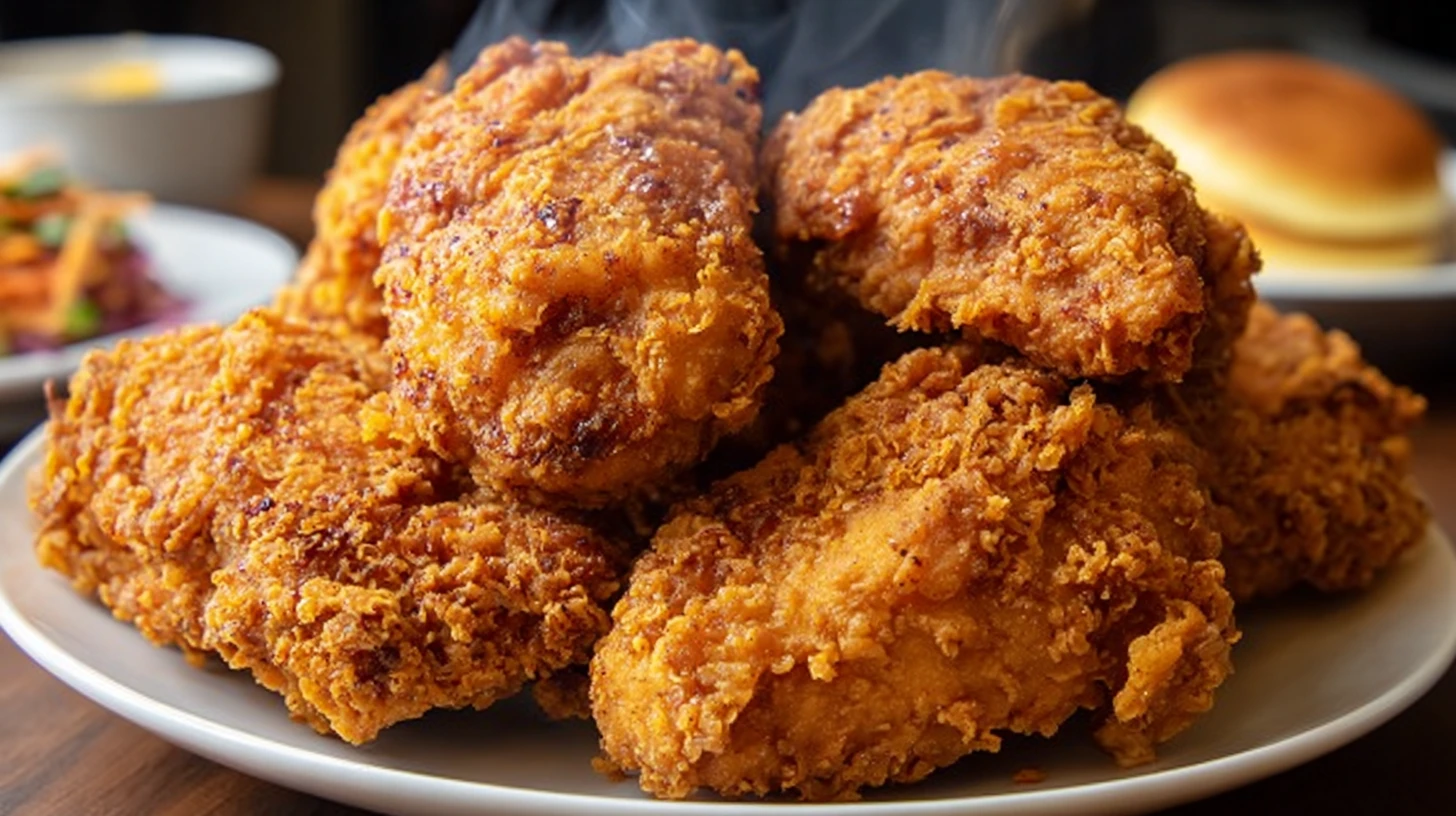
Bojangles Fried Chicken
Ingredients
Equipment
Method
- In a large bowl, whisk together buttermilk and egg. Add chicken pieces and soak overnight in the refrigerator.
- In a separate bowl, mix flour, salt, paprika, garlic powder, onion powder, black pepper, and cayenne.
- Heat oil in a deep skillet to 350°F (175°C). Remove chicken from marinade and coat each piece in the flour mixture, pressing to adhere well.
- Fry chicken in batches, flipping halfway, until golden brown and cooked through (about 12–15 minutes total).
- Remove chicken and place on a plate lined with paper towels. Let rest 5 minutes before serving.
Notes
What Makes This Bojangles Fried Chicken Recipe Unique Compared to Others

In my experience, what distinguishes this recipe from others is the integration of deeply rooted Southern culinary traditions with a well-organized preparation method. When I compare this approach to other fried chicken methods I have used, I find that the emphasis on structured marination and precise flour-to-spice ratios produces remarkably consistent results.
The texture develops gradually and predictably, offering a crisp exterior that contrasts beautifully with the tender meat inside. As I follow the process, I see how each component, from the marinade to the oil temperature, contributes to a refined gastronomic outcome. This combination of tradition and methodology makes the recipe particularly compelling.
History of Bojangles and Its Iconic Fried Chicken
Origins of Bojangles’ Southern-Style Cooking
When I reflect on the origins of this culinary tradition, I acknowledge the enduring influence of Southern cuisine. The development of this signature dish emerged from cooking practices that valued seasoning as an essential element of identity. As I learned more about its historical roots, I appreciated how Southern cooks dedicated themselves to balancing spices with precision.
This historical foundation continues to shape the way I approach fried chicken preparation today. The Bojangles legacy reflects a commitment to flavor that resonates with regional preferences, emphasizing depth, warmth, and aromatic richness. Understanding this background helps me appreciate the meticulous process that defines this recipe.
How the Bojangles Fried Chicken Recipe Became a Cultural Staple
I often think about how food acquires cultural significance, especially when I prepare recipes with widespread recognition. The Bojangles fried chicken recipe embodies a connection between community and tradition, evolving into a staple because of its accessibility and flavor profile.
The consistency of the method has played a major role in maintaining its popularity. Whenever I recreate it at home, I feel connected to a broader culinary heritage that values authenticity and comfort. This longstanding cultural presence enhances the recipe’s reputation, positioning it as a timeless example of Southern culinary excellence.
What Makes Bojangles Fried Chicken Different?
Signature Spice Blend and Bold Southern Seasoning
As I prepare the seasoning blend, I pay close attention to the ratio of spices to flour, recognizing that the success of the recipe depends on balance. This careful calibration is what differentiates the Bojangles approach from other methods I have encountered. The spices contribute layers of complexity that unfold as the chicken cooks, creating an aromatic foundation that permeates each piece.
When I coat the chicken, I see how the mixture adheres evenly, forming the first step toward a structured texture. This intentional combination of spices conveys the depth associated with the tradition, shaping an experience that is both bold and refined.
The Double-Layer Coating Technique for Extra Crunch
In my kitchen, I often rely on precise double-coating to achieve the desired crispiness, and this recipe exemplifies that method. By repeating the dredging process, I create a thicker surface that enhances the final texture. Each layer acts as a reinforcement, ensuring that the outer crisp remains intact during frying.
I appreciate how the technique allows for greater control over crispiness, giving the final product a distinctive structure. As I observe the coating form, I understand why this approach consistently produces superior results. The method proves both practical and effective in creating a memorable texture.
Why the Cooking Method Creates a Distinctive Texture
I find the frying process particularly insightful, as it requires controlled timing and temperature management. When I regulate the heat, I notice how the chicken responds to the oil, developing a consistent color and crunch.
The technique demands patience and attention, but it rewards me with a texture that is simultaneously crisp and tender. Observing the subtle changes throughout the process reveals the importance of technique in achieving the desired outcome. This level of detail is what sets the recipe apart, reinforcing its reputation for excellence.
Understanding the Bojangles Marinade Method
What Do Bojangles Marinate Their Chicken In?
When I prepare the marinade, I reflect on how essential it is for flavor development. The combination of dairy-based elements and spices influences both tenderness and depth. As the chicken rests, the marinade penetrates the meat, enhancing its natural juiciness.
I find this step especially rewarding because it establishes the foundation for the entire dish. When I revisit this process, I adjust the ingredients carefully, ensuring that each component contributes effectively.
Role of Buttermilk in Tenderizing and Flavor Development
I have used various marinades throughout my cooking experience, but I consistently appreciate the reliability of buttermilk for tenderizing chicken. Its natural acidity works gently, creating a texture that remains moist even after frying.
When I observe the transformation during marination, I recognize how vital this step is. The buttermilk serves as a carrier for spices, ensuring that the flavor reaches deeper layers of the meat. This combination of tenderness and enhanced taste underscores the rationale behind this traditional method.
Adding Heat: Cayenne, Paprika, and Black Pepper Balance
When I incorporate spices such as cayenne, paprika, and black pepper, I consider how each contributes to the overall balance. I adjust quantities with intention, ensuring that the heat complements rather than overwhelms the flavor profile.
As I mix the spices into the marinade, I see how they combine to create a cohesive blend. This thoughtful integration results in a well-rounded finish that reflects the complexity of Southern cuisine.
Full Ingredient Breakdown for a Homemade Bojangles Fried Chicken Recipe
Core Ingredients for Authentic Flavor
When I gather the ingredients for this recipe, I take a moment to appreciate how essential each element is in developing the characteristic flavor and structure. The blend of spices, the flour base, and the carefully prepared marinade form a foundation that enables consistency across every batch. As I measure each component, I consider how they interact, contributing individually to the final result.
This careful preparation ensures that each piece of chicken achieves a coherent and balanced taste. I find that by focusing on precision in the selection and measurement of these primary components, I am better able to create a dish that reflects the heritage and culinary intent behind the original method. This intentional approach enhances the recipe’s authenticity and ensures that each step serves a clear purpose within the broader cooking process.
Optional Add-Ons to Deepen the Southern Spice Profile
In my cooking practice, I often explore variations that enrich the depth of spices without deviating from the core structure of the recipe. I find that subtle adjustments, such as increasing specific aromatic spices or introducing more earthy tones, allow for a personalized yet respectful interpretation of the dish.
When I experiment, I ensure that any additions align with established flavor profiles, preserving the essence of the original method. This careful balance enables me to expand the recipe’s character without compromising its integrity, maintaining both familiarity and innovation within the preparation.
Ingredient Substitutes Without Losing the Original Taste
When I consider ingredient substitutions, I aim to preserve the recipe’s identity while addressing dietary preferences or availability constraints. I approach any modifications with measured caution, ensuring the replacements support the intended texture and flavor. For example, certain flour alternatives can assist in maintaining crispiness without interfering with adhesion during frying.
Similarly, alternative spices must complement the established profile rather than overshadow it. By making thoughtful substitutions, I maintain the recipe’s signature qualities while offering flexibility for different households or personal needs. This careful adjustment process ensures that the core characteristics remain intact.
Equipment You Need for Perfect Bojangles-Style Fried Chicken
Choosing the Ideal Skillet or Deep Fryer
When I select equipment for frying, I prioritize tools that promote stability and consistent heat distribution. A heavy skillet or dedicated deep fryer can significantly influence the quality of the final product. I observe how different materials conduct heat, and I select options that minimize temperature fluctuations, which can affect texture.
The right equipment ensures that the chicken cooks evenly, allowing the exterior to develop crispness while maintaining moisture inside. This foundational decision shapes the reliability of the overall process.
Why Temperature Control Tools Are Essential
As I prepare to fry the chicken, I find that monitoring temperature is one of the most important aspects of the process. A thermometer provides precise readings, enabling me to maintain the oil at the correct level for optimal frying.
Without careful temperature regulation, the chicken may absorb excess oil or fail to develop an appropriate crust. This focus on control supports consistency across batches, reinforcing the importance of accuracy in culinary preparation.
Prep Tools to Ensure Even Coating and Clean Workflow
I rely on simple tools such as wide bowls, tongs, and wire racks to create a streamlined workflow. Each item contributes to cleaner transitions between marinating, coating, and frying, enhancing efficiency in the kitchen. This organization supports even coating application and reduces disruption during preparation.
Step-by-Step Bojangles Fried Chicken Recipe
Step 1 – Preparing the Marinade and Soaking the Chicken
As I prepare the marinade, I focus on achieving a smooth and balanced mixture that enhances both tenderness and flavor. I incorporate spices deliberately, ensuring they disperse evenly throughout the liquid. When I submerge the chicken, I allow ample time for the marinade to permeate the meat, developing depth and moisture.
This step establishes the structural foundation for the rest of the process and requires patience and precision. A well-prepared marinade ensures a fully integrated flavor profile once the chicken is cooked, making it a crucial early stage in the recipe.
Step 2 – Mixing the Signature Bojangles Seasoned Flour
When I assemble the flour mixture, I take care to combine the spices thoroughly to promote uniformity. This step contributes significantly to the dish’s overall character because the seasoning influences both taste and texture. As I sift the mixture, I observe how the ingredients blend into a cohesive coating foundation.
This meticulous approach ensures that each piece of chicken receives consistent seasoning, which enhances the final presentation and taste. The structured blending process reflects the principles of precision and attentiveness that define this recipe.
Step 3 – Double Coating for Maximum Crunch
I find the double-coating method particularly effective in developing a firm and crisp exterior. The repeated dredging process allows a thicker layer to form, creating a sturdier crust that withstands the frying process.
When I follow this step, I observe how the chicken gains structure, preparing it for the intense heat of the oil. This deliberate reinforcement contributes significantly to the final texture, making it an indispensable part of the method.
Step 4 – Frying the Chicken at the Perfect Temperature
In this stage, maintaining consistent heat is essential for achieving an evenly crisp exterior. I adjust the flame carefully to ensure the oil remains within the appropriate temperature range. As the chicken cooks, I note how the color gradually deepens and the coating develops its signature structure.
Turning the pieces deliberately ensures that each side cooks uniformly. This controlled process supports both flavor and texture, producing reliable and refined results.
Step 5 – Resting and Serving for Ultimate Crispiness
After frying, I place the chicken on a wire rack to rest, allowing excess oil to drain and the crust to stabilize. This step helps maintain crispiness and prevents steam from softening the coating. As I observe the chicken resting, I appreciate how each part of the process contributes to the final outcome.
Recipe Tips for Perfecting Your Bojangles Fried Chicken Recipe
Maintaining Oil Temperature for Consistent Crispiness
When I fry chicken, I pay close attention to the stability of the oil temperature. Even small fluctuations can influence texture and color. I find that monitoring the thermometer throughout the process helps me maintain control and avoid undercooking or overcooking.
This consistent attention ensures that each piece emerges evenly crisped and properly cooked. Maintaining stable heat is not merely a technical preference but a fundamental part of achieving professional-quality results. Temperature management is a crucial foundation for this recipe’s success.
Avoiding Common Frying Mistakes
Through practice, I have recognized several common mistakes that can impede the quality of fried chicken. Overcrowding the pan reduces heat and leads to uneven cooking, while insufficient coating or inadequate drying time can result in an underdeveloped crust.
I address these issues by approaching each step deliberately, ensuring that I follow best practices to maintain clarity and structure. Awareness and avoidance of these common mistakes result in a more controlled and refined cooking experience.
Flavor Enhancements for a More Authentic Bojangles Result
For flavor adjustments that remain consistent with the recipe’s intent, I focus on subtle refinements rather than dramatic changes. Aromatic spices and balanced seasoning additions can enhance depth without compromising tradition. This thoughtful consideration allows me to maintain the integrity of the original method.
Serving Ideas and What to Pair with Bojangles Fried Chicken
Southern Classics: Biscuits, Coleslaw, and Mashed Potatoes
When I prepare side dishes, I consider how each option complements the main recipe. Biscuits offer softness that contrasts with crispness, while coleslaw provides freshness and a cool counterbalance. Mashed potatoes introduce comfort through their smooth and creamy texture.
This combination creates a well-rounded meal that emphasizes both variety and balance. Each side supports the chicken’s strong flavor profile without overwhelming it, reinforcing the cohesiveness of the entire dining experience.
Modern Pairings for a Fresh Twist
As I explore modern pairing options, I appreciate how lighter vegetables or grain-based sides can introduce contrast and brightness. Fresh salads, roasted vegetables, or seasoned rice dishes offer thematic variety. These accompaniments enhance the meal by adding complexity and nutritional balance.
Presentation Tips for Family Dinners and Gatherings
When I present the dish for family gatherings, I focus on maintaining aesthetic appeal. Arranging the chicken neatly and pairing it with colorful sides contributes to a polished final presentation. These steps create a welcoming atmosphere.
Variations of the Bojangles Fried Chicken Recipe
Extra Spicy Bojangles Chicken Variation
In my kitchen, I occasionally explore spicier versions of this recipe. By carefully adjusting the heat levels, I can intensify the flavor profile without overwhelming the original structure. Increasing cayenne or incorporating additional warm spices allows me to create an elevated version that appeals to those who enjoy stronger seasoning.
This method maintains the recipe’s integrity while offering a recognizable variation for spice enthusiasts.
Oven-Baked “Fried” Chicken Version for a Healthier Option
When I prepare a lighter version, I appreciate how the oven method allows for reduced oil without sacrificing structural integrity. Coating the chicken with a thin oil layer and baking at high heat achieves satisfying crispiness. This approach offers an alternative for those who prefer lighter meals while preserving the essence of the original recipe.
Air-Fryer Bojangles Chicken Recipe Variant
The air-fryer version provides an efficient and controlled method for achieving crisp texture. Circulating air mimics frying by creating a firm exterior while maintaining moisture inside. This method allows me to prepare the dish more quickly and with greater energy efficiency. All three variations demonstrate the recipe’s adaptability.
Common Mistakes to Avoid When Making Bojangles Fried Chicken
Why Coating Falls Off and How to Prevent It
I have learned that coating detachment often results from moisture or inadequate binding. Ensuring the chicken is properly dried and coated with intention supports stronger adhesion. Allowing the coating to rest before frying strengthens its structure.
The Problem with Overcrowding the Fryer
I avoid adding too many pieces at once because doing so reduces oil temperature. This disruption leads to uneven frying and a diminished crust. Proper spacing allows each piece to develop evenly.
Ensuring the Chicken Stays Juicy Inside
Maintaining accurate temperature and monitoring cooking times preserves internal moisture. These techniques ensure tenderness.
FAQ About Bojangles Fried Chicken Recipe
What Do Bojangles Marinate Their Chicken In?
They use a balanced combination of dairy-based liquid and spices to enhance tenderness.
What Makes Bojangles Chicken Different?
The integration of layered seasoning and controlled frying distinguishes it.
What Are the Ingredients in Bojangles Seasoning?
The mixture includes a structured blend of aromatic spices.
What Is the Secret Ingredient in Fried Chicken?
Precision in seasoning and controlled frying contribute significantly.
Can I Make Bojangles Fried Chicken Recipe Without Buttermilk?
Yes, but alternative dairy bases must maintain acidity.
How Do I Get My Fried Chicken Crispy Like Bojangles?
Double-coating and temperature control are essential.
How Long Should Chicken Marinate for Best Results?
Overnight marination provides optimal depth.
What Oil Does Bojangles Use for Frying?
They typically rely on stable, neutral-flavored oils suitable for high heat.
Conclusion: Why You Need to Try This Bojangles Fried Chicken Recipe
Final Thoughts on Mastering Southern-Style Crispy Chicken
In conclusion, mastering this recipe requires precision, attention to detail, and respect for the underlying culinary principles. Following each step carefully allows me to achieve consistent texture and flavor, reinforcing the significance of controlled preparation.
The method offers a rewarding experience that celebrates tradition while accommodating personal creativity. By embracing these techniques, I continually refine my understanding of Southern cuisine and enhance my cooking practice. This recipe remains an enduring example of structured culinary craftsmanship.

- Vegan Love Letter Pastries: Flaky Strawberry Jam Envelopes - January 16, 2026
- Beefy American Goulash - January 13, 2026
- Authentic Tom Kha Gai Soup Recipe - January 11, 2026